
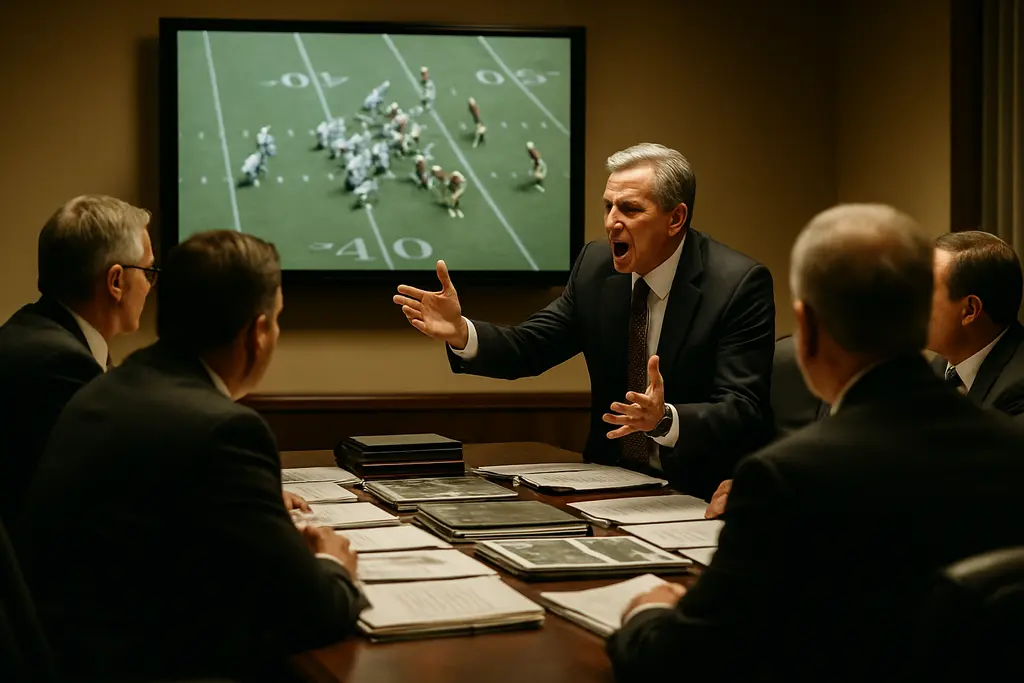

SEC Cupcake Weekend has been more than a scheduling quirk for SEC programs. For Texas A&M, it has functioned as a late-season pressure valve: a chance to get starters off the field, test young players in live snaps and reset the practice calendar before rivalry or postseason stakes sharpened. That model is set to change. SEC athletic directors voted in May 2026 to place conference games in the second-to-last week of the regular season beginning in 2027, ending the league’s familiar late-November lower-tier scheduling window SEC schedule vote.
The issue for Texas A&M coaches is not only who appears on the schedule. It is how the staff builds a team capable of playing sound football after months of SEC contact. Late November is when small flaws in protection rules, defensive fits, tackling depth and special teams coverage tend to show. A weaker opponent could hide some of that. A conference opponent usually exposes it.
Why SEC Cupcake Weekend Changes Coaching Math
SEC Cupcake Weekend And The November Practice Week
The old late-November setup gave coaches a different type of work week. A staff could keep the base plan simple, reduce the volume of high-stress situational work and still expect to control the game if the talent gap was wide enough. That does not mean coaches treated those games casually. It means the practice risk profile was different. There was less need to empty the call sheet, less need to ask starters to handle every third-and-long pressure look, and more room to protect players who were carrying accumulated wear.
With league games moving into that slot in 2027, Texas A&M’s staff will need to make November practice look more like October. The defensive staff will still have to fit run concepts with full precision. The offensive staff will still have to prepare answers for simulated pressure, late rotation in the secondary and red-zone compression. Special teams coaches will not be able to assume field position can be repaired later by superior depth. In a conference game, one bust on punt protection or kickoff coverage can flip the entire script.
This is where coaching philosophy starts to show. Some staffs respond to schedule pressure by cutting practice so deeply that timing erodes. Others push too hard and lose freshness. The better answer is usually a narrower menu with higher clarity. Texas A&M does not need more calls in that window; it needs better answers. The staff’s job will be to identify the core concepts that travel into any SEC matchup and make sure the players can execute them when the roster is tired.
What The Samford Result Shows, And What It Does Not
Texas A&M’s 48-0 win over Samford during the 2025 version of that late-November window was exactly the type of result the new model removes from the SEC calendar CBS Sports report. The score tells one part of the story: the Aggies controlled the game. The coaching value was in the hidden snaps. Games like that can let a staff rotate offensive linemen, expose backup linebackers to full-speed run fits, give reserve receivers blocking assignments against live movement and evaluate young defensive backs without the same game-state penalty that comes with a tight SEC contest.
That developmental runway will shrink. Coaches will have to replace some of those snaps with better scout-team structure, more competitive periods for second- and third-team players, and cleaner special teams cross-training. The second unit cannot wait for a comfortable fourth quarter in late November. If the schedule gives Texas A&M another conference opponent instead, the backup guard may get his first meaningful rep because of injury, fatigue or a package adjustment. That changes the standard for every Tuesday and Wednesday practice in College Station.
Depth Development Becomes A Coaching Test
Backups Need Earlier Evidence
The removal of the soft landing changes the timing of evaluation. Texas A&M coaches will need to know by midseason which reserves can handle a conference game, not merely which players look promising in controlled reps. That affects substitution plans in September and October. If younger players are not getting late-November developmental carries, pass-rush snaps or coverage assignments, the staff has to create those trials earlier.
That could mean more selective rotation during competitive games, but it has to be earned. A coach cannot hand a key SEC possession to an unprepared player for developmental reasons. The solution is to make practice grading harder to ignore. Can the backup tackle handle a speed-to-power rush three days in a row? Can the third safety communicate a motion check without the starter beside him? Can the reserve running back protect the quarterback before he is trusted with touches? These are coaching questions before they are roster questions.
There is also a recruiting layer. The change rewards programs with functional depth, not just top-end talent. Texas A&M’s staff will have to sell prospects on development through competition while also building a roster that can absorb late-season attrition. The late-November SEC game will not care how many blue-chip players signed. It will test how many are ready.
Injury Management Moves From Medical Room To Game Plan
Player health is often discussed as if it sits outside the playbook. In this format, it becomes part of the play design conversation. If a starting edge defender is carrying a heavy snap load, the coordinator has to decide whether pressure packages can reduce his exposure or whether the front needs more rotation. If the offensive line is thin, the staff may lean on quicker throws, condensed formations or protection help to avoid asking a worn group to live in pure dropback sets.
That is not conservative football by default. It is risk management with a tactical purpose. Coaches who understand their roster can protect weakened spots without turning the offense predictable or the defense passive. The challenge is sharper in the second-to-last week because the body of work is already large. The staff has months of film on its own team, and so does the opponent.
Game Planning For A Harder Late November
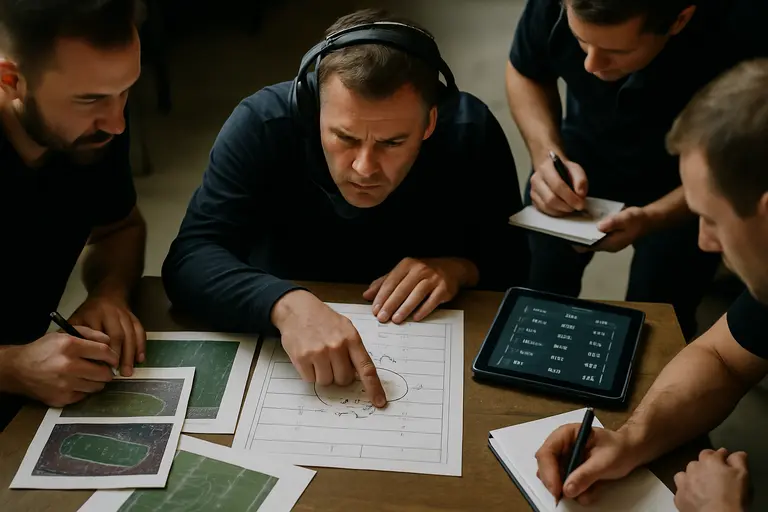
Offensive Answers Must Be Built Before They Are Needed
A conference game in that slot demands answers that can be carried into a short, heavy week. Texas A&M’s offense will need core concepts with built-in tags rather than wholesale changes. A run concept that can hit inside, bounce with motion or convert into play-action gives a coordinator more flexibility without overloading the players. The goal is not to trick an SEC defense with volume. It is to force defenders to honor the same formation in more than one way.
Protection is the stress point. Late in the year, defenses have enough film to identify weak pass sets, communication issues and running back protection limits. Coaches have to decide where to spend practice time: blitz pickup, third-down route conversion, red-zone spacing or four-minute offense. The new schedule makes that choice harder because the opponent quality rises at the moment when bodies are usually least fresh.
Defensive Calls Need Fewer Bust Paths
Defensively, the safer call is not always the better call. Sitting in static looks against SEC offenses can invite efficient throws and slow drives. The better late-season plan is often disguise without confusion. Texas A&M coaches will need coverage rotations and pressure looks that the defense can repeat under stress. If a call requires perfect communication from every young player in the package, it may not be the right late-November answer.
Run defense may be the clearest test. A conference opponent will probe eye discipline, edge force and linebacker fit integrity. A lower-tier opponent might not punish one poor angle. An SEC back or quarterback usually will. That puts teaching progression under the microscope months before the game is played.
For a related fan-planning angle on the same league shift, this site has covered how the schedule change tests Texas A&M beyond the film room.
What SEC Cupcake Weekend Means For A&M Coaches
The end of SEC Cupcake Weekend in 2027 will not decide Texas A&M’s fate by itself. It will reveal how well the coaching staff has prepared the roster before that week arrives. The programs that benefit will be the ones that treat depth, recovery, substitution rules and practice design as connected parts of the same plan.
For the Aggies, the coaching challenge is clear. Build a two-deep that can play real snaps. Install answers early enough that players can repeat them late. Protect key contributors without shrinking the call sheet into predictability. Use September and October to create the developmental reps that late November may no longer provide.
That is why this schedule change belongs in a coaching legacy discussion. Fans often remember the fourth-down call, the rivalry win or the signed recruiting class. The harder work is less visible: deciding how much contact to allow on a Wednesday, when to trust a freshman in pass protection, how to script special teams periods and how to keep a tired roster aligned against a conference opponent. Texas A&M’s response to this change will show up first in practice structure, then in substitution patterns, and finally on late-November Saturdays when the margin for easy corrections is gone.