

Texas A&M Logistics sit in a clear spot as of Aug. 12, 2026: the available record shows no recent legislative change directly reshaping Kyle Field game-day operations. The meaningful movement has come through campus policy, SEC-level operating permission, transportation planning and event procedures. For fans, that distinction matters because the practical effect is still felt at the gate, in the parking lots, around Aggie Park and on the streets feeding Kyle Field.
The issue is less about a new state law changing a Saturday in College Station and more about how Texas A&M has built a tighter operating model over several seasons. Clear-bag entry, alcohol sales, digital parking, tailgate reservations, road closures, contraflow lanes and pedestrian rules all point in the same direction: the school is trying to move large crowds into and out of a packed football district with fewer choke points and fewer surprises.
Texas A&M Logistics And The Policy Record
Texas A&M Logistics Is Policy-Led, Not Law-Driven
The research record does not support a claim that recent legislation has directly changed how Texas A&M runs football game days. That is the first guardrail for any discussion of legislative significance. For Texas A&M Logistics, the bigger story is how policy decisions can function like law for ticket holders once they reach campus. A rule about what bag can enter the stadium, a digital permit requirement or a no-wheels boundary may not come from the Legislature, but it still controls fan behavior on game day.
That is where the significance of broader legislative and governance conversations becomes indirect. The same athletic department that has to track SEC policy, public-safety expectations and campus transportation demands also has to prepare for future rules that could affect venue staffing, revenue operations or crowd control. A separate discussion of SEC legislative changes shows how conference rules can shape planning even when they do not rewrite Kyle Field traffic maps on their own.
What The Known Changes Cover
The recent game-day record includes several supported operational adjustments. Texas A&M adopted a clear bag policy at Kyle Field in 2016, allowing one clear bag sized 12 inches by 6 inches by 12 inches or a one-gallon clear resealable plastic bag per person. In 2019, after the SEC allowed alcohol sales in public areas, Texas A&M began offering beer and wine to the general public at Kyle Field until the end of the third quarter. In 2021, the school moved from physical hangtags to virtual parking permits, with fans using a digital permit barcode on a phone or a printed copy at event lots, according to Texas A&M Transportation Services guidance.
- Entry rules have focused on security screening and faster lines.
- Parking rules have moved toward digital verification before lot access.
- Tailgating rules at Aggie Park created reserved free plots managed through REVELxp.
- Traffic rules have placed more emphasis on pedestrian space around Kyle Field.
Parking And Traffic Are The Main Pressure Points
Digital Passes Change The Lot Entry Rhythm
Parking is where the policy changes become most visible. Texas A&M already had moved to virtual permits in 2021, and the 2025 updates continued that shift for 12th Man season ticket holders through digital parking passes. The practical impact is simple: the fan who reaches a lot without a loaded pass can slow a line that is already under time pressure. That makes Texas A&M Logistics more dependent on preparation before fans leave home or hotel rooms.
The 2025 transportation plan also introduced postgame contraflow lanes on Penberthy Boulevard to speed the clearing of parking lots on the west side of Reed Arena. The same guidance says a No Wheels Zone around Kyle Field and Rudder Tower is enforced three and a half hours before the game, restricting bicycles, scooters, golf carts and other wheeled devices to protect pedestrian movement, according to TTI traffic guidance. Those are not roster or depth-chart issues, but they affect when fans arrive, how families move through campus and how long postgame traffic holds around the stadium district.
Road Closures Shift The Pregame Clock
The 2025 plan also included road closures near Kyle Field, including sections of Houston Street and Joe Routt Boulevard, beginning four and a half hours before kickoff or at 7:30 a.m., whichever is later. That timing changes the real kickoff clock for fans. A night game does not mean a late campus arrival will work. An early kickoff does not mean the traffic plan starts only when lots fill. The street grid begins changing hours before the team runs out.
This is where fan planning connects with future SEC scheduling. A nine-game conference slate, fixed rivalry structure or altered broadcast window can change the number of high-demand Saturdays, the number of visiting fans and the stress placed on local streets. The same operational questions are part of broader Texas A&M matchday planning, especially when league schedules put more strain on November travel and campus operations.
Stadium Entry And Tailgating Stay Procedure-Heavy
Clear Bags And Alcohol Sales Shape Stadium Flow
The 2016 clear bag policy remains one of the clearest examples of a stadium rule that changes fan behavior before fans reach the turnstiles. It pushes decisions into the car, the tailgate and the hotel room. A bag that does not fit the rule becomes a delay, and enough delays become longer entry lines. The rule is not new, but it still sits near the front of the game-day checklist.
The 2019 alcohol sales expansion carries a different operational weight. Beer and wine sales to the general public until the end of the third quarter added another service layer inside Kyle Field. That affects concession traffic, staffing needs and in-stadium movement. The available research does not provide new sales data or incident data tied to that change, so the safest reading is procedural: the policy widened public access and required the venue to manage another game-day flow point.
Aggie Park Raised The Tailgate Planning Standard
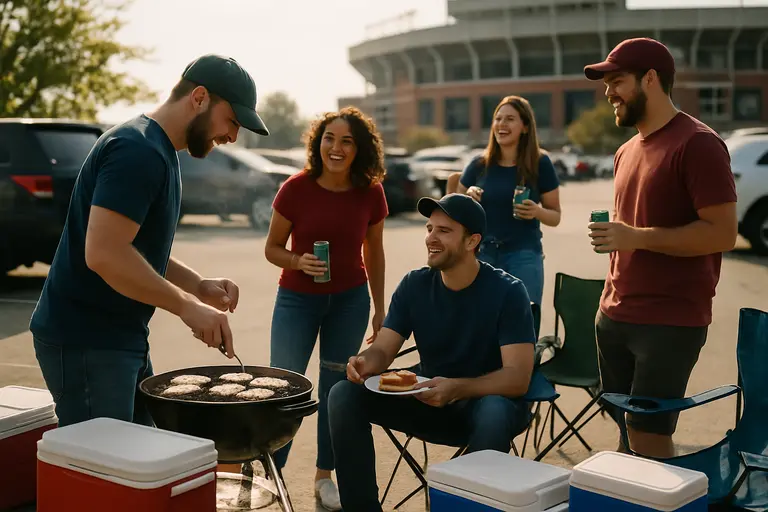
The 2022 Aggie Park tailgating rules brought structure to one of the most visible fan traditions around Kyle Field. Fans can reserve up to two free 15-by-15 plots per game, with reservations managed through REVELxp. That moved a portion of the tailgate experience from first-come guesswork into a scheduled reservation system.
For families, alumni groups and visiting fans, the change reduces uncertainty if they understand the process. For campus operations, it creates clearer space control and a better way to manage demand before a large crowd gathers. The policy also shows how Texas A&M can alter game-day behavior without waiting for a new law. The school can adjust reservation systems, traffic paths and access zones through operational authority when the event footprint requires it.
Why Texas A&M Logistics Still Matter
Fans Should Treat Policy Like Part Of The Schedule
The significance of legislative change for Kyle Field game days is mostly a warning flag, not a current disruption. As of the date in the research, no recent legislative change directly controls Texas A&M football logistics. Still, laws, SEC policies and campus rules can all land in the same place for a ticket holder: a changed route, a restricted item, a different parking process or a new arrival time.
Texas A&M Logistics now require the same attention fans give to kickoff windows and opponent quality. Download the parking pass early. Check whether a tailgate plot is reserved. Know when roads close. Avoid wheels inside the restricted pedestrian zone. Bring an approved bag. None of those steps wins a third-and-short, but each one protects the Saturday experience around a stadium that moves one of the largest crowds in college football.
The supported record points to a steady trend rather than a single sweeping act. Texas A&M has tightened procedures over time, with safety, entry speed, parking control and pedestrian movement driving most of the changes. If future legislation or conference action does touch game-day operations, the existing pattern suggests the impact will show up first in the same places fans already feel it: the lot entrance, the security line, the tailgate footprint and the route home from Kyle Field.