


SEC Legislative Changes have given Texas A&M a sharper view of what the conference now expects from its athletic programs: cleaner sideline conduct, more predictable football scheduling and tighter financial planning. For Aggies fans, the football impact is the easiest place to start, because recent SEC actions now touch game management, future travel, Kyle Field planning and the way the department must account for spending across a broader athletic operation.
The benefits are not all clean or immediate. Texas A&M has already absorbed one of the league’s new enforcement costs after the SEC issued its first $50,000 penalty under the conference policy against feigned injuries. At the same time, the 2025 football opponent list gives the Aggies a useful planning frame in a larger SEC that now includes Texas and Oklahoma. Those two pieces say plenty about where the conference is headed: more order, more scrutiny and less room for loose internal planning.
What SEC Legislative Changes Mean For Texas A&M
SEC Legislative Changes And Football Order
The most direct football benefit is structure. The SEC’s policy against faking injuries is meant to protect competitive rhythm and limit the use of stoppages as a tactical device. Texas A&M became the first school fined under that policy in October 2025, when defensive back Tyreek Chappell was found to have feigned an injury against Arkansas and head coach Mike Elko received a public reprimand, according to ESPN’s report. That is a negative mark on the program ledger, but it also gives every SEC staff a clearer enforcement line.
For A&M, the practical benefit is not the fine. It is the warning. Football operations can now coach substitution timing, defensive communication and player conduct with a known penalty attached. That matters in the SEC, where tempo offenses, late substitutions and fourth-quarter game management all test sideline discipline. If the rule is enforced consistently, the Aggies gain from a cleaner standard even after being the first program hit by it.
The Chappell Fine As A Compliance Marker
The Chappell incident also puts compliance closer to weekly football preparation. This is no longer a policy that sits in a conference manual. It affects position meetings, staff reminders and game-day decisions. Elko’s staff has to make sure players understand the difference between legitimate injury reporting and conduct the league could review. That is not just a defensive issue. Special teams, offensive substitutions and late-game personnel packages all require the same awareness.
There is a program-management lesson here as well. A $50,000 fine is small compared with major football spending, but the public nature of the reprimand carries more weight. Texas A&M operates in a market where every SEC office decision gets magnified locally. Recent SEC Legislative Changes make that reality harder to ignore, especially for a staff trying to establish clean habits in a conference where one review can become a league-wide example.
Football Scheduling Gives A&M A Clearer Map
Kyle Field Dates And Road Tests
The 2025 SEC opponent list is a clearer benefit for fans, players and the department. Texas A&M’s 2025 SEC schedule includes home games against Auburn, Florida, Mississippi State and South Carolina, with road games at Arkansas, LSU, Missouri and Texas, according to the school’s official announcement. The league described the format as part of an effort to balance home and away games over two seasons.
That balance has real value in College Station. Kyle Field weekends drive ticket demand, hotel traffic, donor activity and recruiting visit calendars. Home dates against Auburn and Florida carry SEC visibility, while Mississippi State and South Carolina give the Aggies two league home games against programs outside the old Southwest Conference footprint. The road schedule brings its own strain, especially with trips to LSU and Texas, but the advance opponent list helps the athletic department plan travel, staffing and fan communications earlier.
- Home SEC games in 2025: Auburn, Florida, Mississippi State and South Carolina.
- Road SEC games in 2025: Arkansas, LSU, Missouri and Texas.
- Conference purpose: balancing home and away assignments across a two-season cycle.
Why The Texas Road Game Changes Planning
The road game at Texas stands apart because it restores a high-demand in-state trip inside SEC play. For Texas A&M, that changes more than rivalry talk. It affects ticket requests, donor access, alumni travel and staff logistics for a game that will draw state attention. It also gives the Aggies a recruiting-stage game inside a short travel radius for many prospects and families across Texas.
The scheduling benefit is predictability, not ease. A&M still has to handle one of the tougher travel mixes in the league, with LSU and Missouri adding different road profiles. But in the expanded SEC, knowing the rotation matters. It helps football operations set preseason messaging, helps fans budget for travel and helps the department map out premium home weekends. That is where SEC Legislative Changes become useful at the local level.
Financial Rules Put More Pressure On Spending Choices
Budget Signals Beyond Football
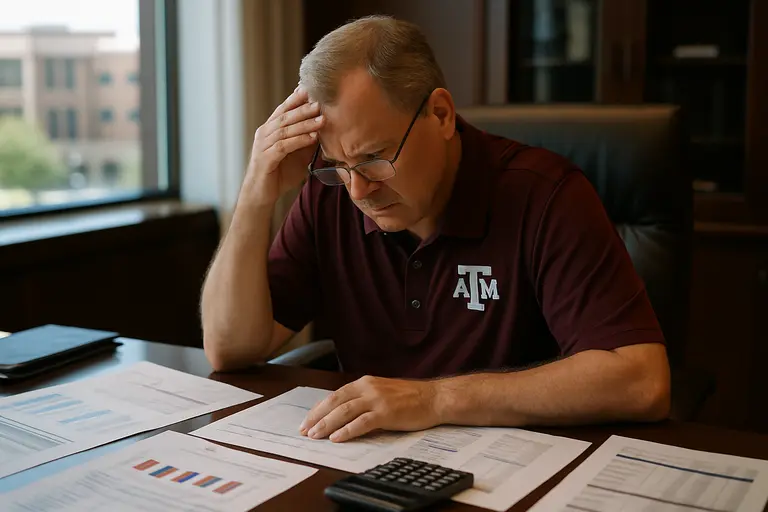
The research record points to a second area of change: money. Texas A&M led the SEC in coaches’ severance pay in the 2024 fiscal year, disbursing more than $27 million, with football-related expenses driving much of that total. Auburn was listed next at about $10.8 million. Those figures show why any conference policy tied to revenue, postseason distribution or athlete compensation lands heavily in College Station.
The SEC’s supplemental revenue distribution in May 2021 also matters in that broader frame. Each member school, including Texas A&M, received an additional $23 million to offset pandemic-related losses, with the distribution tied to expected future media rights growth. That kind of league support can stabilize an athletic department, but it does not erase the need for better cost control. For more background on how league revenue can help and still create pressure, the site’s prior look at SEC revenue sharing fits this same discussion.
House Settlement Planning And Department Choices
Texas A&M’s May 2025 planning for the House v. NCAA antitrust settlement adds another layer. The research notes do not give enough detail to state exactly how A&M will implement every part of the settlement, but the direction is clear: athletic departments are preparing for a new cost structure. Football will remain the largest driver, yet the effects can spread to roster management, Olympic sports support, scholarship planning and internal department staffing.
The SEC Spring Meetings outcomes also fit that pattern. Research notes list an increase in football bowl revenue distribution by $25,000 at each designated level and the removal of conference postseason competition academic eligibility requirements. The bowl distribution change is modest in major-program terms, but predictable revenue rules help athletic departments build cleaner budgets. The eligibility change requires careful reading because it does not remove NCAA academic requirements; it relates to conference postseason competition requirements described in the research notes.
Conference expansion approval is another financial and scheduling factor. Texas A&M’s Board of Regents voted 8-1 in July 2021 in favor of admitting Texas and Oklahoma into the SEC. That expansion placed A&M in a larger league with stronger television inventory and a more crowded competitive field. The benefit is exposure and revenue potential. The cost is a thinner margin for football success, particularly as old regional matchups return inside conference play. A related site analysis on SEC changes for Texas A&M tracks that broader conference direction.
Why SEC Legislative Changes Matter For Aggies Programs
A Practical Read For Football And Athletics
The clearest takeaway is that SEC Legislative Changes give Texas A&M more defined rules but fewer excuses. The feigned injury policy puts game operations under a brighter review light. The 2025 schedule gives the department a stronger planning base for Kyle Field weekends and major road trips. Financial actions across the conference give A&M support in some areas while reminding the department that high spending will be measured against results.
For football, the next benefit comes from how well the program adjusts. If A&M tightens sideline discipline, uses the schedule window for better fan and recruiting planning, and treats conference financial rules as guardrails rather than safety nets, the department can turn these changes into operating advantages. That is the real test for Aggies athletics in the current SEC: not whether the rules are friendly, but whether Texas A&M uses them faster and cleaner than the programs it lines up against every fall.