
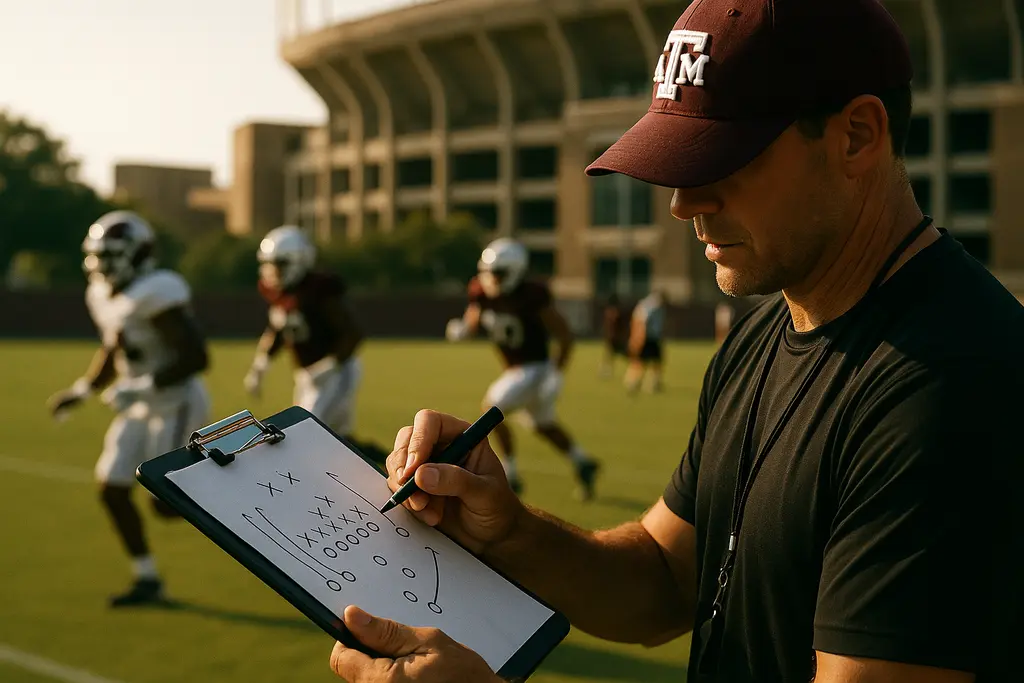

Texas A&M Matchday Planning for 2026 starts with a larger SEC schedule, a rivalry finish at Kyle Field and more pressure on travel, staffing and weekly preparation. The Aggies are moving into the league’s nine-game format with a schedule that brings seven home dates and five road trips, including several SEC venues that require early logistical work.
The change is not only about who Texas A&M plays. It affects how the program spaces recovery, how fans arrange travel, how Kyle Field operations handle night games and how the football staff prepares for a schedule that narrows the margin between conference games. For a local audience in Bryan-College Station, the calendar also touches hotels, traffic planning, family attendance and late-November campus operations.
Texas A&M Matchday Planning Starts With SEC Format
Texas A&M Matchday Planning And The Nine-Game SEC Slate
The biggest structural change is the SEC’s move to a nine-game conference schedule beginning in 2026. The league announced the format as part of its 2026-29 opponent rotation, with each school playing three annual opponents and six rotating opponents each season SEC opponent announcement. That adds one more league game compared with the eight-game conference model.
For Texas A&M Matchday Planning, that means fewer soft spots in the weekly rhythm. The football staff has to account for an extra SEC opponent in game-week preparation, while operations staff must manage another conference-level event or trip. The format also makes recovery windows more valuable because SEC games typically carry heavier personnel, security, media and travel demands than many non-conference dates.
Annual Opponents Create A Fixed Spine
Texas A&M’s three annual SEC opponents are LSU, Missouri and Texas under the 2026-29 format SEC opponent announcement. That gives the Aggies a fixed scheduling base every year while the rest of the conference slate rotates.
That setup matters for operations because the same three matchups will return each season in some form. LSU and Texas carry regional-rivalry weight and travel demand. Missouri gives Texas A&M a regular cross-division-style trip or home date within the expanded SEC map. The league also said teams will play every other SEC school at least once every two years, which keeps the schedule fresh but limits the long-term predictability that older divisional formats offered.
The SEC requirement that each team schedule at least one non-conference opponent from the ACC, Big Ten, Big 12 or Notre Dame also shapes the broader calendar. For 2026, Arizona State fills a major non-conference slot on Texas A&M’s home schedule, giving Kyle Field another high-interest date outside league play.
Home Dates And Kyle Field Operations
Night Windows Change Game-Day Flow
The reported 2026 schedule includes home games against Missouri State, Arizona State, Kentucky, Arkansas, The Citadel, Tennessee and Texas, while road games are listed at LSU, Missouri, Alabama, South Carolina and Oklahoma 2026 Texas A&M schedule. That home-road split gives College Station seven major football Saturdays, with several dates likely to carry different crowd-flow and staffing needs.
Research notes list the home opener against Missouri State for 6 p.m. CT on ESPN and the regular-season finale against Texas for 6:30 p.m. CT on ABC. Those night windows would change the game-day routine around Kyle Field. Later kickoffs lengthen the pregame tailgate window, push traffic into a later postgame release and put a premium on lighting, parking coordination and late-night public safety planning.
Night games can help the home environment, but they also create practical questions. Families traveling from Houston, Austin, Dallas-Fort Worth or San Antonio have to decide whether to stay overnight. Local restaurants and hotels see a longer event day. Campus transportation faces a later surge after the game. Texas A&M Matchday Planning has to account for those patterns before the first kickoff week arrives.
Non-Conference Games Still Matter
The home schedule starts with Missouri State and also includes Arizona State and The Citadel outside SEC play. These games are not all the same from an operations view. An opener requires first-week execution across ticket scanning, concessions, student entry, traffic routes and in-stadium communication. A high-profile non-conference game can bring a different visiting crowd profile and more national attention. A later non-conference game can serve as a reset point if it lands between SEC stretches.
- Missouri State gives Texas A&M a home opener with a listed evening kickoff.
- Arizona State satisfies the broader need for a major non-conference opponent on the schedule.
- The Citadel gives the Aggies another home date inside the full 12-game calendar.
Those dates are part of the same planning picture as the conference games. The stadium still has to function at SEC scale, and the staff still has to build a clean weekly routine before the harder road stretches arrive.
Road Trips Shape Texas A&M Matchday Planning
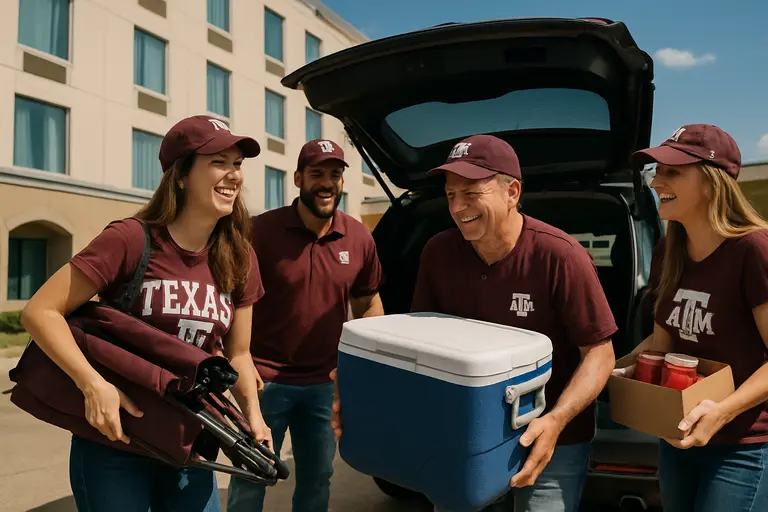
Five SEC Road Games Set The Travel Load
The 2026 road schedule sends Texas A&M to LSU, Missouri, Alabama, South Carolina and Oklahoma. That is a demanding travel mix. It includes familiar regional trips, a long haul to Columbia and major SEC road venues where routine matters. Charter movement, hotel blocks, equipment transport, walk-through timing and recovery work all become part of the football operation.
For fans, the road map requires early decisions. The Aggies have five SEC road trips, and each carries different timing and access issues. LSU is the most familiar conference road environment for many Texas A&M fans. Oklahoma adds another regional trip with major rivalry interest in the expanded SEC. South Carolina requires more flight planning or a longer road commitment. For more fan-focused travel context, the schedule pairs naturally with Texas A&M fan travel logistics for the 2026 SEC run.
The Bye Week Creates A Reset Point
The Aggies’ bye week is scheduled for Oct. 31, 2026, according to the reported schedule. That timing gives Texas A&M a pause before the closing stretch. It also creates a planning marker for player recovery, staff self-scouting and fan travel preparation before the November run.
The value of that date depends on what comes before and after it. A late-October bye can help if the roster is managing accumulated SEC wear. It also gives the operations side time to adjust staffing plans, ticketing communication and travel details for the final month. The Aggies will need that reset because the finish includes Oklahoma on the road and Texas at Kyle Field within six days.
What The 2026 Schedule Means For Aggie Operations
Late November Carries The Sharpest Turn
The late-season stretch is the clearest operational pressure point. Texas A&M is scheduled to play at Oklahoma on Nov. 21 and then host Texas on Nov. 27. That creates a short week from a road SEC game into one of the most important home events on the calendar. For Texas A&M Matchday Planning, that is the week that will test advance work.
The football side has to manage recovery, film work and practice timing on a reduced runway. The operations side has to prepare Kyle Field for a rivalry game that research notes place in a 6:30 p.m. CT ABC window. The fan side has to account for Thanksgiving week travel, campus schedules and a Friday game date. That combination makes the Texas game more than a standard home finale.
The rivalry renewal against Texas at Kyle Field gives the 2026 schedule a defined finish. It also puts pressure on every department tied to game day: ticketing, parking, traffic, law enforcement coordination, concessions, stadium entry and postgame movement. A detailed breakdown of the full league slate is also tied to Texas A&M’s 2026 SEC schedule, which frames how the final month fits into the larger run.
Planning Questions Still Depend On TV Windows
Several games are listed with flexible kickoff windows in the research notes. That means some operational details will remain unsettled until television selections are finalized. Flexible windows are common in SEC scheduling, but they still affect families, visiting fans and local businesses because kickoff time changes the entire rhythm of a football Saturday.
A morning game puts pressure on early traffic and quick stadium entry. An afternoon game can overlap with heat-management concerns depending on the month. A night game extends the local event day and shifts departure traffic deep into the evening. Texas A&M cannot finalize every matchday detail months in advance, but it can build plans around each possible window.
The 2026 calendar is clear enough to identify the major issues now: a nine-game SEC format, three annual rivals, five road conference trips, seven home dates and a late-November finish built around Oklahoma and Texas. The remaining work is in the weekly details, where travel, television, campus operations and football preparation meet. That is where the schedule will be won or lost from a planning standpoint before the Aggies ever take the field.