


The SEC nine-game schedule changes more than the number on Texas A&M’s conference slate. It changes how a fall Saturday is built in College Station: the parking map, the traffic pulse, the staffing plan, the hotel scramble, the season-ticket conversation, and the way families decide which weekends become Aggie weekends. The league is moving from eight to nine conference games beginning with the 2026 season, according to Yahoo Sports, and Texas A&M sits right in the middle of the practical effect.
For the football office, it means one more SEC opponent on the annual board. For the 12th Man, it means one more league game carrying the familiar weight of scouting reports, visiting fan pockets, broadcast timing and rivalry talk. The research notes identify Texas, LSU and Missouri as Texas A&M’s three annual SEC opponents, with six rotating league opponents filling out the rest of the conference schedule. That structure gives the Aggies yearly anchors, but it also asks the athletic department and the city around it to prepare for a schedule with fewer soft edges.
What The SEC nine-game schedule Changes
SEC nine-game schedule Pressure Points
The first shift is simple: one more conference game replaces one piece of the old rhythm. SEC teams also are required to schedule at least one non-conference game against a Power Four opponent each season, per the same Yahoo Sports report. That matters because game-day logistics are not built only around attendance totals. They are built around opponent draw, kickoff window, visiting fan travel, student demand, team arrival timing and the operational profile of the weekend.
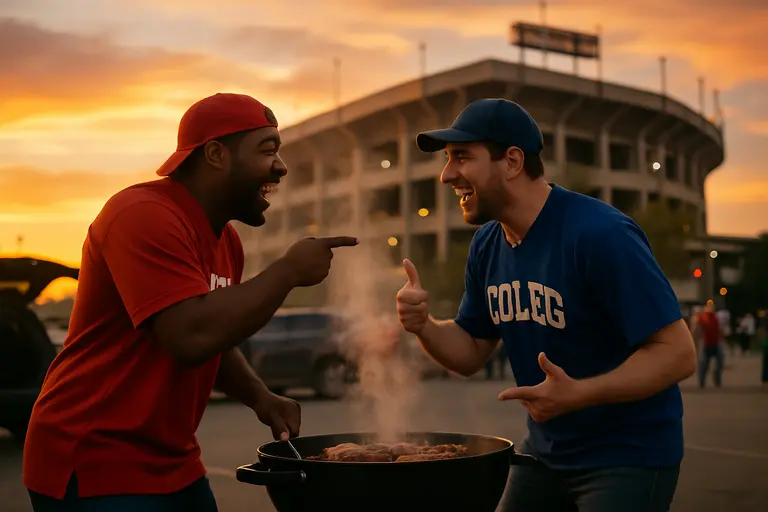
A league game against an SEC opponent tends to carry a different campus feel than a lower-profile non-conference date. It can change when people arrive, how long they tailgate, how early lots fill and how much pressure falls on shuttle routes and postgame traffic release. The research does not provide Texas A&M’s exact 2026 home-and-road sequence, so the honest read is not to assign specific weekends or claim a set number of league home dates at Kyle Field. The supported point is broader: the format raises the frequency of SEC weekends that require peak-level planning.
Annual Opponents Create A Fixed Planning Spine
Texas, LSU and Missouri being identified as annual opponents gives Texas A&M a fixed planning spine. Texas brings the in-state rivalry weight. LSU brings the neighboring-state pull and a long-running SEC West feel, even as divisions are no longer the organizing frame in the research provided. Missouri adds a recurring conference trip and home-date possibility that can be planned for with more certainty than a fully rotating model.
That does not mean every season will feel the same. The six rotating opponents are the swing factor. Research notes say the format is designed so teams face every SEC opponent at least once every two years and visit each stadium every four years. For Texas A&M fans, that means more regular contact with the full league. For the operations staff, it means building plans for a wider set of visiting fan bases, travel patterns and opponent-specific demand.
Kyle Field Operations Become More Opponent-Driven
Parking, Traffic And Arrival Windows
Kyle Field weekends already ask a lot from College Station. The extra SEC game does not automatically mean chaos, but it does make precision more valuable. Parking and traffic plans can no longer be treated as a copy-and-paste exercise from one home date to the next. A conference opponent with strong regional travel can push more cars onto local roads earlier in the day. A night kickoff can stretch tailgate hours. A morning kickoff can compress arrival and security screening into a tighter window.
The research points to possible adjustments in parking, traffic management and security. That is the right level of certainty. The specifics would depend on the actual schedule, kickoff assignments and campus operations decisions. Still, the pressure points are clear:
- Lot timing: SEC games can produce earlier arrivals, especially when visiting fans travel in large groups.
- Shuttle flow: More high-demand dates can place greater strain on routes before kickoff and after the final whistle.
- Security screening: Bigger walk-up waves near stadium gates can require careful staffing and lane management.
- Postgame release: Close SEC games tend to keep more people in seats late, creating a sharper outbound surge.
The Human Side Of A Heavier Slate
Game-day logistics can sound cold until you picture the people inside them. A family driving in from Houston tries to guess when traffic will thicken. A group of former students plans one reunion weekend and wants the opponent to feel worth the miles. A student worker reports early, stays late and feels the difference between a quiet non-conference date and a charged SEC crowd. A visiting fan base comes to College Station with its own traditions and its own travel habits.
The SEC nine-game schedule puts more of those stories into conference frames. That is good for atmosphere, but it asks more of the people who make the day work. Ushers, police, parking attendants, concessions crews, medical staff, broadcast workers and campus volunteers all become part of the competitive stage. A clean Saturday is rarely an accident. It is built through timing, repetition and the ability to adjust when kickoff windows land in awkward places.
Season Tickets, Broadcast Windows And Local Rhythm
Value Without Guesswork
The research notes that a ninth conference game is expected to enhance season-ticket sales by placing more high-profile matchups into the inventory. That expectation makes sense, but Texas A&M’s exact ticket outcome cannot be claimed from the research provided. What can be said is that SEC inventory changes the sales conversation. A season-ticket holder is not only buying a seat. That person is buying weekends, hotel planning, tailgate rights, family routines and a place in the noise at Kyle Field.
More conference inventory can strengthen that emotional pitch. It can also sharpen practical tradeoffs. If the schedule brings more premium opponents, more fans may treat every SEC home date as a full-weekend commitment. That can push demand into hotels, restaurants and roadways around Bryan-College Station. The local sports economy feels the schedule not as an abstract policy but as room nights, dinner waits, fuel stops and Sunday morning departures.
Television Can Stretch The Day
Television exposure is another part of the equation. The research notes that the expanded schedule is anticipated to add value for television networks and could produce more favorable broadcast slots for Texas A&M games. The exact kickoff windows are not available in the research, so the planning lesson is about flexibility rather than prediction.
A campus operation built for an 11 a.m. kickoff is different from one built for an evening start. Heat, lighting, pedestrian flow, alcohol-related security concerns, halftime timing and postgame traffic all shift with the broadcast window. For fans making plans, the safest assumption under the new model is that SEC dates may demand more patience until kickoff times are assigned. For deeper fan-planning context tied to the same scheduling turn, the site’s piece on Texas A&M matchday planning fits naturally beside this discussion.
Rivalries Shift While Texas A&M Gains Annual Anchors
A League-Wide Tradeoff
The new format does not affect only College Station. The conference’s move has paused some familiar annual rivalries while reviving or protecting others. The Washington Post reported on July 21, 2026, that the SEC’s move to nine conference games paused some rivalries and awakened others, including changes involving Florida-Tennessee and Alabama-LSU in its SEC rivalry report.
That wider reshuffling matters to Texas A&M because rivalries are not just schedule lines. They affect visiting demand, alumni travel, recruiting weekends and the emotional temperature around a game. The Aggies’ annual set of Texas, LSU and Missouri gives the program recurring reference points while the rotating group keeps the rest of the league closer than before. That combination should make each schedule release more meaningful for fans who plan trips months in advance.
Recruiting And Bowl Math Stay Connected
The research also flags recruiting and bowl eligibility. A more demanding schedule can influence recruiting strategy because prospects may see more chances to compete in high-stakes league games. That is a reasonable football point, but it should not be stretched into claims about individual recruits or classes without verified reporting. For Texas A&M, the cleaner takeaway is that the schedule itself becomes part of the pitch: more SEC games, more national attention, more physical tests.
Bowl eligibility also becomes a tighter conversation when a team plays one more conference game. The win-loss math does not change in form, but the path can feel harder if the extra game replaces a less demanding opponent. That pressure circles back to logistics because late-season home dates, weather, travel recovery and crowd support can all shape the environment around a team trying to protect its postseason path.
Why SEC nine-game schedule Logistics Matter At Kyle Field
The SEC nine-game schedule is not just a league-office decision. In College Station, it lands on sidewalks, parking lots, hotel desks, tailgate tents and the long walk toward Kyle Field. It asks Texas A&M to treat more Saturdays like full-scale SEC productions and asks fans to plan with the patience that serious conference football requires.
The full effect will depend on the exact opponents, home-road split, kickoff windows and campus decisions tied to each date. Those details were not included in the provided research, so any hard claim beyond the format would be guesswork. What is clear is that Texas A&M’s game-day machine has to be ready for more conference weight, more travel interest and more schedule pressure beginning with the 2026 season.
That is where the culture of the place matters. Kyle Field is at its best when the football stakes and the people in the stands feel connected. The new model gives the Aggies more of those Saturdays. The work now is making sure the roads, gates, lots and routines can carry them.