
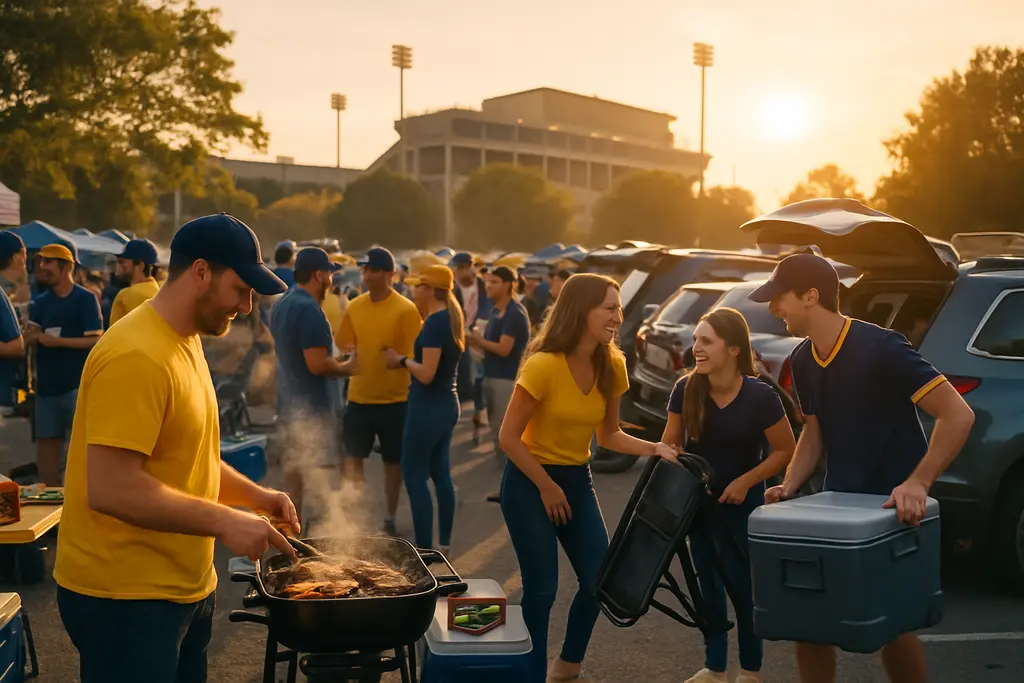

Kyle Field Transportation has become part of the game-day rhythm at Texas A&M, not just a set of signs, cones and shuttle stops. By Sept. 30, 2026, the Aggies’ football Saturdays had already shown how much the trip around campus can shape the day itself. The roar inside Kyle Field still belongs to the 12th Man, but the hours before kickoff and the long walk out after the fourth quarter are where patience, planning and safety get tested.
For years, the great challenge around Kyle Field has been simple to describe and hard to solve: tens of thousands of people arrive near the same place, within the same window, from different directions and with different needs. Some come in from off-campus routes. Some park early and tailgate. Some move through campus on foot, trying to meet family or friends near the stadium. The recent transportation upgrades do not change the identity of Aggie Saturdays. They try to protect it by making the movement around the stadium less stressful.
The story is not only about traffic. It is about grandparents walking with children, former students returning to familiar corners of campus, students timing their routes from residence halls, and visitors learning the pattern for the first time. A cleaner route to the gate gives the day more room to breathe.
How Kyle Field Transportation Changed Arrivals
The Centralized Bus Hub Near The MSC
The most visible shift began away from the stadium gates. In Fall 2025, Texas A&M introduced a Centralized Bus Hub near the Memorial Student Center, bringing all AggieSpirit bus routes into one hub, including the off-campus Route 07 near Kyle Field, to better serve campus and off-campus riders while simplifying transfers and reducing route conflicts, according to Texas A&M Transportation Services’ Centralized Bus Hub project page.
That matters because bus movement sets the tone for the rest of the day. If riders know where to connect, where to transfer and where off-campus routes fit into the campus pattern, the pregame scramble becomes less scattered. The hub also gives Transportation Services a clearer center of gravity on days when regular campus life gives way to football traffic.
Kyle Field Transportation And The First Decision
The first decision for many fans is not which gate to use. It is how to approach campus. The strongest version of Kyle Field Transportation gives people a clearer answer earlier in the day. Park farther out and ride. Reserve parking in advance. Use pay-upon-arrival areas. Walk a separated route where available. Each choice still carries tradeoffs, but the system now gives more defined options instead of leaving fans to guess at the edge of a closure.
That is where the transportation upgrades become part of the fan experience. A family that reaches campus without circling the same block three times is more likely to enjoy the tailgate. A student who knows where the shuttle loads has less reason to cross against traffic. A former student coming back after years away has a better chance of recognizing the day’s flow before the crowd tightens around the stadium.
Walking Routes Separated From Wheels
The West Campus Garage Passage
For the Sept. 5, 2026 season opener against Missouri State, Texas A&M opened a pedestrian passageway through the basement of West Campus Garage, running between Olsen Boulevard and Pickard Pass, to help separate foot traffic from vehicle entry and exit lanes near Kyle Field, as outlined in the university’s 2026 Kyle Field game-day guidance.
That change speaks to one of the hardest parts of any stadium district: the point where walkers and vehicles want the same space at the same time. Around Kyle Field, those pressure points can build quickly. Fans are not moving like commuters in a straight line. They stop for friends, slow down with children, check phones, carry food, and shift toward familiar landmarks. Drivers are trying to leave garages, find permitted lots or follow police direction. Separating those movements does not remove every delay, but it reduces the most uncomfortable overlap.
Why Small Separations Matter
On a football Saturday, a few feet of space can change the mood of a crowd. A dedicated passageway can help a family stay together. A clearer crossing can keep a group from spilling into a vehicle lane. Better separation can also make postgame movement feel less like a push and more like a release.
The Lot 100 updates that began on Aug. 24, 2026 also fit that same idea. Certain sections were reserved to better serve Lot 100 permit holders, while some “Any Valid Permit” parking access was blocked in those parts. The research notes also point to dedicated pathways and a WCG Event Pedestrian Path intended to separate foot traffic during major events. That is not flashy work, but it is exactly the kind of planning that decides whether a crowd feels managed or squeezed.
Parking, Shuttles And Timed Closures
Digital Reservations And Pay-Upon-Arrival Lots
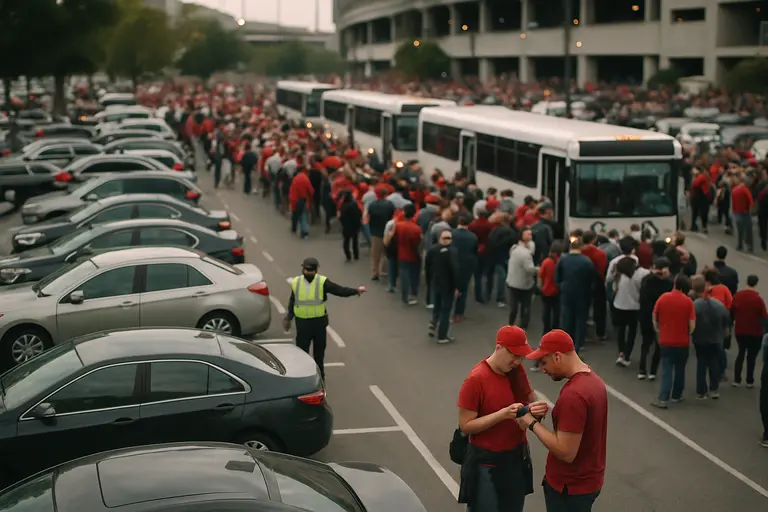
Parking has moved toward a more defined structure. Reservations for game-day parking are managed through ParkMobile for prepaying, while pay-upon-arrival parking remains available in designated areas near Bush Library, Bonfire Memorial and Agronomy Road. Those pay-upon-arrival prices are listed in the research at $25 to $40, and game-day parking lots open at 7:00 a.m.
This setup gives fans two different planning styles. Some want the certainty of a prepaid reservation before leaving home. Others accept the tradeoff of designated pay-upon-arrival areas. Neither path removes the need to read the day’s traffic pattern, but both are easier to understand than an informal search for open pavement near the stadium.
Shuttle Windows And Road Closures
The shuttle schedule also gives the day a more predictable frame. On- and off-campus shuttles begin three hours before kickoff and continue until one hour after the game ends. The Bush Library route begins five hours before kickoff. Those windows matter because they match the way Aggie football days stretch far beyond the game clock.
Road closures add the other side of the plan. The research notes state that game-day road closures begin about four to four and a half hours before kickoff, with most roads near campus closed. Postgame closures begin at the start of the fourth quarter to handle traffic buildup and support safer pedestrian control. For a companion view of how these choices affect walking routes, shuttles and exits, our breakdown of walking routes and shuttle habits follows the same fan-planning thread.
- Earlier structure: reserved parking, defined lots and shuttle timing help reduce late guesswork.
- Safer separation: passageways and dedicated pedestrian routes keep more walkers away from vehicle lanes.
- Clearer exits: fourth-quarter closures prepare the area before the largest postgame surge.
Why Kyle Field Transportation Matters To The 12th Man
The Human Part Of The Plan
For the 12th Man, Kyle Field Transportation is not the main attraction. Nobody remembers a football Saturday because a bus route worked on time. But when transportation fails, it can color the whole day. A long delay before kickoff can turn a family outing tense. A confusing walk after the game can make a win feel exhausting. A safer path can help older fans and young children move with more confidence through the crowd.
Texas A&M’s broader traffic approach also relies on review and adjustment after home games. The research notes describe post-event coordination with local partners, including the City of College Station, the City of Bryan and the Texas A&M Transportation Institute, with congestion reviewed across about 80 miles of surrounding roadways. That kind of work rarely gets cheers, but it shows why the plan keeps changing. Kyle Field does not sit apart from the community. Its game-day pulse runs through campus streets, neighborhood routes, business corridors and the highways that bring Aggies back home.
That is where Kyle Field Transportation now carries real weight. The upgrades are not trying to make Aggie football feel smaller or more controlled than it should. They are trying to give the noise, the traditions and the shared walk to the stadium a safer frame. In College Station, the best transportation plan is the one that lets the 12th Man arrive ready, leave safely and keep the memory of the game ahead of the memory of the traffic.