
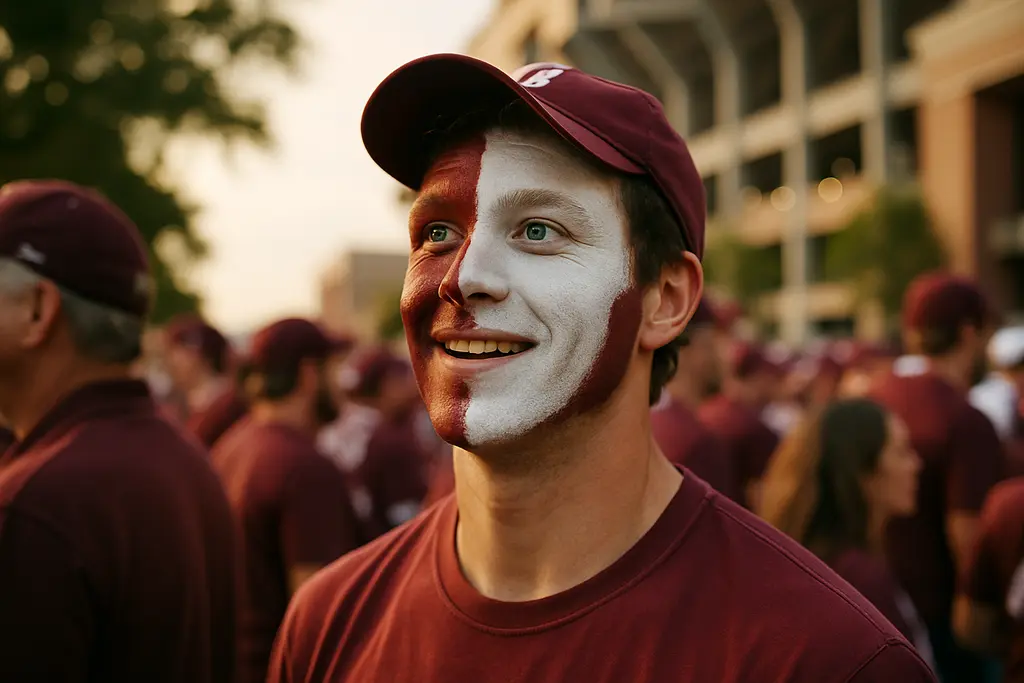

Texas A&M Game Day will not be remade by one federal act or one SEC rule, but fans at Kyle Field should expect a more regulated, more digital and more closely managed experience around Aggies home games after the latest round of conference-related changes.
The key distinction is between legislation that affects how conferences operate and policies that affect how fans move through campus. The Protect College Sports Act of 2026, passed on August 7, set new conditions tied to media rights sales and revenue allocation for conferences and joint entities, including membership and voting requirements for FBS schools Congressional Record. That does not change which gate a fan uses at Kyle Field, but it does sit behind the business structure that shapes kickoff windows, broadcast placement and revenue planning.
On the ground, the clearer changes for Aggies fans are operational. Texas A&M has moved all tickets and parking to digital formats, expanded alcohol sales beyond premium spaces under updated SEC policy, and kept game-day conduct rules tight as crowds return to College Station. The official Texas A&M football gameday page lists digital tickets and parking, venue policies and alcohol service details for fans preparing for home games official football gameday page.
What Changes For Texas A&M Game Day
Texas A&M Game Day And Media Rights
The federal legislation matters most at the conference and administrative level. The Act requires conferences or joint media-rights entities to meet membership standards and sets rules for how collective media-rights revenue is distributed. It also requires unanimous consent for certain changes involving revenue sharing or voting allocations among conference members.
For Texas A&M Game Day, the practical takeaway is indirect. Fans should not expect that law by itself to change tailgate rules, stadium entry or concession lines. Its impact is more closely tied to how the SEC and other major conferences package games for television, how revenue gets allocated and how member schools vote on shared commercial decisions.
That distinction matters because many fan-facing frustrations start with timing. Kickoff windows affect drive times from Houston, Dallas-Fort Worth, Austin and San Antonio. They affect hotel demand, campus traffic and postgame departures. If the league assigns a game to an early, afternoon, night or flex television window, exact start times and network details may still come later in the week or season. That puts more weight on flexible planning for fans who travel to Brazos County.
Conference Policy Versus Campus Operations
The SEC’s policy environment and Texas A&M’s campus operations meet on Saturdays, but they are not the same thing. The SEC can set broad standards for member schools, including alcohol policy. Texas A&M then applies those policies through Kyle Field operations, concession plans, security staffing, ticketing systems and transportation rules.
That means the fan experience is shaped by more than one source of authority. A change in conference policy can create the framework. Texas A&M Athletics, campus transportation, law enforcement and stadium operations decide how that framework works at the gate, in the concourse and around parking lots.
Kyle Field Entry, Tickets And Parking
Digital Tickets And Parking Barcodes
Texas A&M Game Day planning now starts before fans leave home. All tickets and parking are fully digital, according to the school’s game-day guidance. Fans are encouraged to download tickets and parking permits in advance rather than wait until they reach campus, where cell service can be strained by crowd size.
Parking access also depends on displaying the proper barcode or digital permit. For fans who still prefer paper backup, the research notes that a printed barcode can be used for parking lot access. The key point is that a screenshot or an unprepared phone can slow entry for the driver and the line behind that vehicle.
This is not a cosmetic change. Digital ticketing and virtual permits give the school tighter control over access, transfers and lot entry. They also leave less room for last-minute fixes if a phone is dead, an account login fails or a permit is not linked correctly. Fans who want a smoother arrival should treat ticket downloads the same way they treat gas, traffic and weather checks.
Lot Access And Arrival Timing
Parking remains one of the main pressure points around Kyle Field. Game-day permits are tied to specific lots, and certain areas are reserved for 12th Man Athletic Association permit holders. The research also notes that, beginning August 24, 2026, lots around Reed Arena require a Lot 100 permit during weekday business hours.
That detail matters for fans who arrive early on Fridays, attend campus events or mix football travel with university business. A game weekend is not limited to the three hours inside the stadium. It stretches across hotel check-ins, student organization events, family visits, restaurant traffic and road closures.
For a deeper local planning angle, the same operational shift connects with Texas A&M logistics after game-day policy shifts, especially as digital access and traffic flow become part of the normal fan checklist.
Concessions, Alcohol And Fan Conduct
Alcohol Sales Outside Premium Areas
The alcohol policy is one of the most visible changes inside the venue. Under updated SEC policy, Texas A&M venues can offer a broader mix of alcohol in general concession areas and portable bar locations, not only in premium spaces. The research identifies draft beer, wine, ready-to-drink cocktails and bars as part of the expanded setup.
There are still firm limits. Alcohol sales must stop no later than the third quarter for football games. Fans must be 21 or older to buy alcohol, valid photo identification is required at each sale, and no more than two alcoholic beverages are allowed per transaction. The sale or consumption of alcohol not sold by the venue remains prohibited.
- Expect ID checks at each alcohol purchase, not only at the first transaction.
- Expect sales cutoffs before the game ends, with the third quarter serving as the outside limit.
- Expect outside alcohol rules to remain in place even when legal purchases are available inside Kyle Field.
The policy creates convenience for legal-age fans, but it also creates more enforcement points. Concession workers, security staff and law enforcement have to manage lines, IDs, purchase limits and conduct in real time.
Security Presence And Conduct Rules
A heavier conduct emphasis is part of the same picture. The research notes that Texas A&M policies call for camera monitoring, strict enforcement of fan conduct rules and possible ejection without refund for intoxicated or disorderly fans.
That is not unusual in the SEC, where full stadiums, night kickoffs and rivalry games can stress venue operations. For Aggies fans, the message is direct: the school is pairing broader in-stadium alcohol availability with tighter behavior standards. The two policies should be read together, not separately.
From a football operations view, that helps protect the game environment. Delays caused by fan misconduct, section disruptions or security responses can affect the stadium rhythm. From a fan planning view, it means groups should set expectations before entering the gate, especially when tailgating starts hours before kickoff.
Tailgating And Schedule Pressure
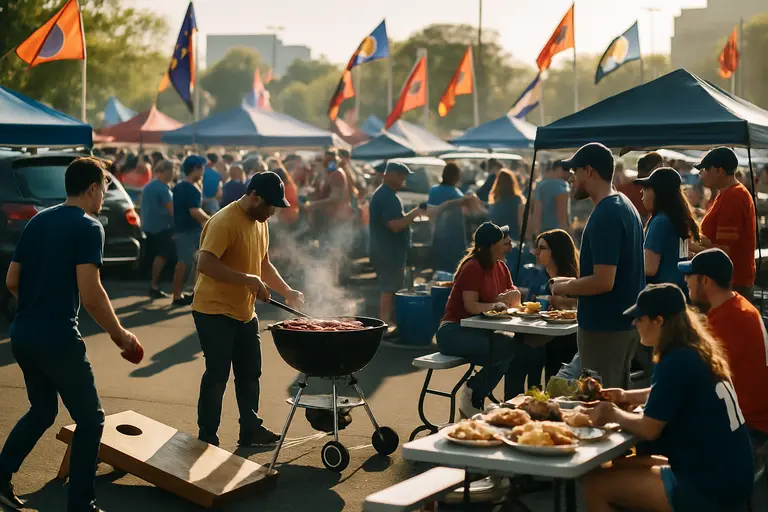
Designated Tailgate Zones
Tailgating remains central to the Aggies’ home-weekend identity, but it is structured through designated areas and zones. The research identifies full-service tailgating, virtual land rush options and limited-space reserved locations. Rules vary by zone, with attention to setup times, cleanup and allowed items.
The main change for fans is not that tailgating goes away. It is that the margin for improvisation keeps shrinking. Reserved spaces, digital parking, controlled entry and conduct enforcement all point toward a more organized campus footprint. That can help manage crowd flow, but it requires fans to know their assigned area and time restrictions before they arrive.
Television Windows Shape Saturdays
SEC television windows are another planning variable. The research lists early, afternoon, night and flex windows for 2026 scheduling, with exact start times and networks left to be announced during the season. That matters in College Station because the difference between an 11 a.m. kickoff and a night kickoff changes almost every fan decision.
An early kickoff compresses tailgate time and pushes traffic into the morning. An afternoon kickoff tends to spread arrivals across late morning and early afternoon. A night kickoff increases the importance of heat, hydration, postgame exits and late travel back to major Texas metros. Flex windows keep fans waiting longer for final details, which can affect families, visiting alumni and out-of-town groups.
Texas A&M cannot control every part of that equation. The school can manage gates, lots, staffing and stadium policy. The SEC and its media partners shape the television windows that set much of the weekly rhythm.
Why Texas A&M Game Day Feels Different Now
The biggest change is the accumulation of small rules into one larger experience. Digital tickets, virtual parking, expanded alcohol sales, conduct enforcement, tailgate zoning and television-window uncertainty all touch different points of the same Saturday.
For fans, the best read is simple: more access comes with more structure. Alcohol is more available inside Kyle Field, but sales are limited and monitored. Tickets and parking are more portable, but the system depends on working phones, downloaded passes and correct permits. Tailgating remains part of the event, but assigned zones and cleanup rules shape how it operates.
For Texas A&M, the challenge is execution. The Aggies’ home-field environment depends on getting large crowds into place without turning entry, parking or concessions into the story. The latest SEC-related changes do not remove the traditions that define College Station. They do raise the standard for preparation before fans reach campus.