


Missouri game travel has become more than a map check for Texas A&M fans. A road trip to Columbia now sits at the crossing point of stadium expansion, parking changes, gate timing and Interstate 70 construction. For the 12th Man, that means the road rhythm matters almost as much as the kickoff window.
College football road trips are built on small rituals. Somebody packs the maroon jacket. Somebody knows the best stop between Texas and Missouri. Somebody in the group gets everyone moving earlier than they want to. Those details feel ordinary until construction narrows the highway, a familiar parking lot changes eligibility or a stadium with new premium areas pulls more people toward one side of the building.
That is the practical story around a Missouri football Saturday in Columbia as of October 5, 2026. The changes are not abstract. They shape when Aggies leave, which route they trust, where they expect to park and how much patience they carry into the final miles near Memorial Stadium.
Why Missouri game travel Changed In Columbia
Missouri game travel Begins Before The Exit Ramp
The biggest mistake a visiting fan can make is treating the Columbia arrival like the last easy piece of the trip. Interstate 70 is under work through the Improve I-70 program, including the Rocheport-to-Columbia segment, with narrowed lanes, reduced speeds and unusual lane setups expected. The program page lists that work with completion scheduled for late 2027 MoDOT Improve I-70.
For Texas A&M fans, Missouri game travel now starts with a time cushion, not a perfect route. The construction does not only affect the last few minutes near campus. It changes how groups think about fuel stops, meal breaks and driver changes. A delay that feels small at midafternoon can become the difference between a calm walk to the gate and a late scramble through traffic.
The Road Trip Has Less Margin
The trip from Texas to Missouri already asks for stamina. Add work zones near a major college town on a football date, and the old habit of arriving just before the band hits the field becomes a risk. Families with children, older former students and fans traveling with mobility needs have the most to gain from building in extra time.
Good planning here is not glamorous. It is leaving earlier, checking official transportation notices before departure and accepting that the final approach to Columbia may move in bursts. That kind of patience fits road SEC football. The team has to adjust to noise and tempo on the field. The fan base has to adjust to cones, lane shifts and crowded access roads before it ever sees the stadium lights.
How I-70 Work Alters The Road Rhythm
Construction Turns Timing Into Strategy
I-70 is the spine of many Missouri game day routes. When that spine is under repair, every decision around timing carries more weight. A convoy of Aggie families leaving at the same hour can meet the same choke points. A later departure can run into both regular commuter movement and stadium traffic. A postgame exit can feel just as tight if fans pour back toward the interstate at once.
That does not mean supporters should fear the trip. It means the best fan experience may come from lowering the stress before it starts. The key questions are simple:
- Which stretch of I-70 will the group use, and is work active there?
- Does the plan allow enough time for reduced speeds near Columbia?
- Is the driver prepared for atypical lane configurations after dark?
- Where will the group regroup if traffic separates multiple cars?
- Can the postgame route avoid the busiest departure wave?
That last point matters for the human side of the trip. A road win or a hard loss can change the mood inside the car, but traffic tests everyone the same way. The calmest fans are usually the ones who already expected the slow stretch.
A&M Fans Should Think Like A Visiting Band
Visiting bands do not arrive by accident. They move early, stage carefully and account for every stop. A traveling fan base can borrow that mindset without losing the fun. Missouri game travel works better when one person in the group owns the transportation plan and another handles stadium entry details.
That division of labor keeps the day from getting swallowed by logistics. The driver should not also be the person searching for the right lot, shuttle stop and gate while traffic stacks up. Fans who treat the travel plan as a shared responsibility are more likely to arrive with energy left for the game itself.
What Memorial Stadium Changes Mean For Aggies
A Bigger Building Changes The Crowd Flow
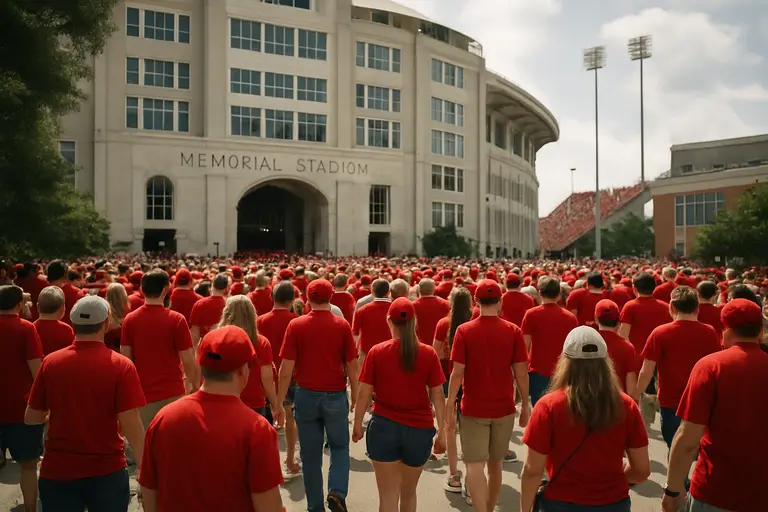
Missouri completed the Memorial Stadium Centennial Project for the start of the 2026 college football season, tied to the 100-year anniversary of Mizzou’s first game at Memorial Stadium. The renovation raised capacity to nearly 65,000 and added about 2,280 premium seats, including 628 loge box seats, 270 mezzanine club seats and 71 suites Memorial Stadium project.
Those numbers matter to visiting fans because capacity is not just a seating figure. It affects pedestrian flow, vehicle flow, entry timing and the pressure on nearby lots. A crowd that moves toward a newly developed area can change how familiar approaches feel, even for fans who have been to Columbia before.
The parking piece is especially important. Research notes for the project indicate that around 500 parking spots were reserved for premium North End Zone seating, causing changes in lot eligibility and allocation. For a Texas A&M fan who last made the trip before the renovation, an old parking assumption may no longer hold.
Shuttles And Gate Timing Matter More Now
Remote parking and shuttle use become more valuable when a stadium grows and nearby parking rules shift. Research notes indicate that pregame shuttle service is available from remote lots such as Truman’s Landing and Lots T, Q, Y, H and U, with accessible service from Lot M-ADA. Those shuttles begin about two hours before kickoff. Stadium gates also open two hours before kickoff, and fans are encouraged to enter through the gate nearest their seat location or Gate 1.
For Aggies, that creates a practical choice. Arriving early may mean a longer wait inside the stadium, but it can also mean fewer tight moments at the gate. Waiting outside until closer to kickoff might preserve tailgate time, yet it risks pushing the group into the same entry wave as thousands of home fans.
The 12th Man is used to standing together. On the road, that unity works best when the group knows where it is entering, where it will meet if separated and whether any member needs an accessible shuttle or extra walking time.
Why Missouri game travel Rewards The Prepared
The Fan Experience Is Built In The Quiet Choices
The trip to Columbia is not only about highways and concrete. It is about grandparents making one more SEC road game, students trying to stretch a weekend, and former students who remember when road trips felt easier because nobody had to account for construction alerts on a phone. The transportation changes do not take away from the game. They ask fans to respect the day before it tests them.
Missouri game travel rewards the prepared because the prepared fan gets to be present. Instead of arguing over which lane moved faster or whether the lot changed, that fan hears the band, finds the visiting section and settles into the familiar rhythm of college football away from home.
For Texas A&M supporters, the best approach is clear: treat I-70 as part of game day, not just the road to it; treat Memorial Stadium’s renovation as a real change in crowd behavior; and treat parking, shuttle and gate timing as pieces of the same plan. The Aggies bring their own sound wherever they go. In Columbia, the smartest version of that sound begins with an earlier departure and a little extra grace for the road.