
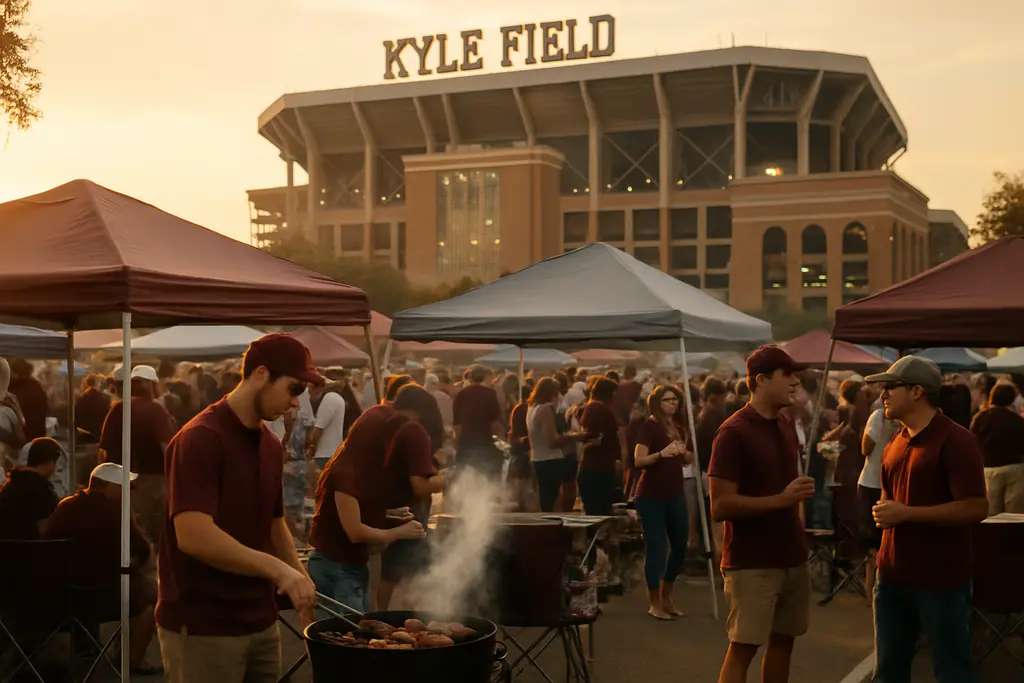

Texas A&M Logistics have become part of the Saturday rhythm around Kyle Field, felt in the slow roll down Wellborn Road, the shuttle line outside a distant lot, and the first turn toward a pedestrian zone where the crowd starts to sound like College Station. For the 12th Man, matchday planning is not just a map problem. It is the difference between arriving tense and arriving ready, between a family making kickoff with time to spare and a first-time visitor learning the campus under pressure.
The changes around Kyle Field have not come from one single idea. They have grown from football Saturdays, a soccer night that tested different travel habits, parking policy changes, shuttle adjustments, traffic technology, and a clearer effort to separate walkers from wheels near the stadium. Some of it is visible, like signs and barricades. Some of it sits behind the scenes, inside signal timing plans and app coordination. Together, the work shows how Texas A&M is treating stadium access as part of the fan experience rather than a side issue after the football conversation ends.
Texas A&M Logistics Start Before The Lot
Texas A&M Logistics Lessons From Soccer Night
One of the more useful tests came away from a normal football script. In September 2025, Texas A&M hosted an international friendly between Argentina and Honduras. The crowd profile differed from a typical Aggie football game: fewer students, more personal vehicles, and more visitors who were less familiar with campus. That mix pushed planners toward expanded shuttle service from distant parking lots and bilingual signage for a broader event crowd, according to the Texas A&M Transportation Institute’s account of major-event traffic planning.
For Texas A&M Logistics, that soccer match mattered because it stripped away some assumptions that can hide inside a home football routine. Aggie fans who attend several games know where to turn, where they prefer to park, and which sidewalks feel fastest after the band steps off. A visiting soccer crowd did not carry that same memory. The event showed that signs, shuttles, and clear routing need to work for people who do not speak the campus language or understand the difference between west campus, main campus, and the stadium core.
The Parking Rules Fans Feel First
Parking policy is often where fans meet transportation planning first. On Aug. 24, 2026, Texas A&M Transportation Services listed updated weekday rules for Lot 100 around Reed Arena: sections 100a-c and 100e-g require a Lot 100 permit from 6 a.m. to 5 p.m. on weekdays, while 100d, 100j, and 100m remain available through Any Valid Permit during that window. The same update says all sections are AVP at night and on weekends, while overnight parking from 2 a.m. to 5 a.m. remains prohibited through the Lot 100 updates.
Those details can sound small until a family is circling Reed Arena with grandparents in the back seat or a group of former students is trying to meet friends before the walk to Kyle Field. Lot 100 sits in the mental map of many fans because of its relationship to Reed Arena and the west side flow toward the stadium. Clear rules before game week reduce guesswork. They also make it easier for transportation staff to separate weekday campus use from football patterns that peak outside the normal class-day rhythm.
The research also points to multi-year parking term agreements tied to the 2026 season. The 2026-28 term covers allocations and pricing across three football seasons, with RV parking listed at $1,500 in Lot R and $1,610 in Olsen/Equine, Lot 126. The larger point is not simply the price of an RV pass. It is the move toward longer planning horizons for fans who build entire fall weekends around College Station.
A Soccer Match Changed The Planning Lens
Different Crowd, Different Pressure
Football Saturdays are built on repetition. The Corps, tailgates, familiar sidewalks, favored lots, and family meet-up spots all create muscle memory. The September 2025 soccer friendly asked the system to handle a crowd with less of that built-in knowledge. That difference exposed a basic truth about Kyle Field operations: the same streets can feel very different depending on who is using them.
More personal-vehicle use changes the stress points. Fewer students can mean fewer people walking from nearby housing or campus routines. A more diverse crowd creates a stronger need for simple visual communication. Bilingual signs, distant-lot shuttles, and clear pickup points become not extras, but tools that help guests make sound decisions without stopping traffic or drifting into unsafe crossings.
What Football Can Borrow
Football remains the weekly machine, but the soccer event gave planners a clean look at how outsiders process College Station on event day. That lesson fits home games because not every person in maroon is a local expert. Each season brings visiting fans, parents, recruits’ families, alumni returning after years away, and children seeing Kyle Field for the first time.
The best matchday systems respect both groups: the regulars who want speed and the newcomers who need clarity. A shuttle sign that seems obvious to a season-ticket holder may be the only thing keeping a visitor from walking the wrong direction after dark. A distant lot only works if the ride back feels predictable after the final whistle. The human side of transportation sits in those small moments.
Moving The Crowd Without Losing The Aggie Feel
Pedestrian Zones And No Wheels Zones
Road operations around Kyle Field begin long before the team runs out. Research notes say matchday road operations begin 4.5 hours before kickoff with pedestrian zones established. No Wheels Zones for bicycles, scooters, and similar devices are enforced 3.5 hours before kickoff and continue through one hour after the game. The intent is straightforward: give walkers safer space when the stadium edge begins to thicken.
That matters in College Station because the walk is part of the day. Fans do not simply appear at their seats. They move from tailgates, parking lots, campus landmarks, and shuttle stops in waves. By the time the crowd tightens near Kyle Field, one scooter cutting through a packed walkway can create more risk than convenience. The zones tell everyone that the final approach belongs to people on foot.
Shuttles, Pedicabs, And The Last Mile
Shuttle service has become one of the more practical ways to protect the fan experience without pretending every car can park beside the stadium. The research notes identify free shuttle service where possible, including service from Downtown Bryan via the Roy Kelly Parking Garage, with shuttles running from three hours before kickoff to one hour after the game. That schedule gives fans a defined window instead of leaving them to guess whether they have missed the last ride back.
A pedicab pilot program introduced on Nov. 15, 2025, added another small but telling piece. The pilot established designated pickup and drop-off zones near Kyle Field on main campus and west campus, prohibited pedicabs from crossing Wellborn Road, and required city permits. It recognized demand for short-distance movement while drawing firm lines around safety and street crossings. That is the balancing act: offer options, but do not let convenience create confusion at the busiest edges of the stadium.
The Technology Behind The Slow Crawl
Signals, Barricades, And App Coordination
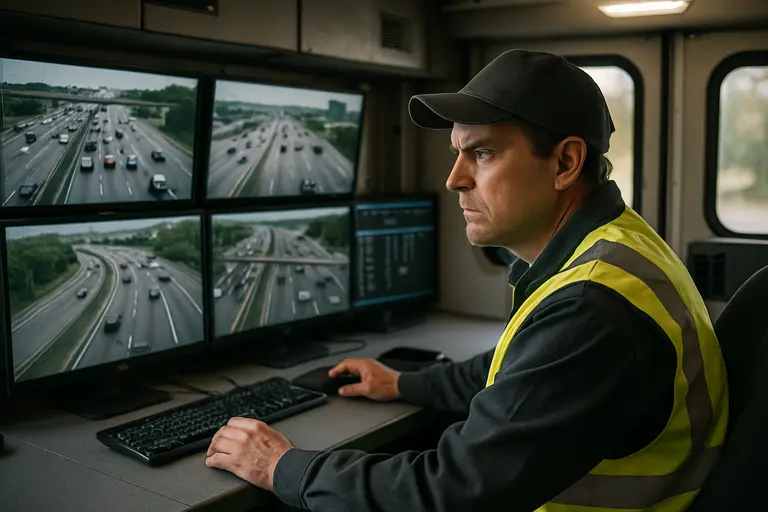
Not every improvement announces itself with a new sign. Some of the most meaningful work happens through real-time traffic operations: signal timing changes, barricade deployment, and communication with navigation apps such as Waze and Google Maps. Those tools help shape traffic patterns during the heaviest pregame and postgame periods, when thousands of individual decisions can either spread the load or send too many cars toward the same choke point.
The Texas A&M Transportation Institute account of major-event planning also frames these tools as part of a broader operating approach rather than a one-day patch. That is the right way to view Kyle Field. A football Saturday is too large to solve only after congestion appears. The system has to anticipate where fans will move, when pedestrians will dominate, and how drivers will respond when an app suggests a route that may not match event traffic control.
Digital Passes At The Gate
Digital ticketing and digital parking passes became standard for season permit holders as of the 2025 season, according to the research notes. Fans are required to present passes through phone wallets or printed itembars. The goal is faster lot entry, but the fan impact is broader than speed. A smoother scan reduces the tense pause at the front of a parking line, especially when cars are stacking behind a gate and kickoff math starts to feel tight.
Digital systems also raise the value of preparation. Charged phones, saved passes, and printed backups can turn a stressful entry point into a quick exchange. That is where fan habits and operations meet. The university can build the system, but the 12th Man still has to arrive ready for it. For related policy context, our earlier look at game-day policy shifts shows how parking, entry, and traffic rules shape the Kyle Field routine.
What Texas A&M Logistics Mean At Kyle Field
The strongest takeaway is that Texas A&M is treating matchday mobility as a living part of the Kyle Field experience. The plan is not only about clearing cars after the fourth quarter. It starts with parking terms, weekday lot rules, shuttle timing, pedestrian protection, and lessons from non-football events. It continues with signals, barricades, app coordination, and the small choices fans make before they leave home.
Texas A&M Logistics will never erase every wait around Kyle Field. A major college football crowd creates friction by nature. The better measure is whether the system gives fans clear choices, keeps walkers safer near the stadium, and helps visitors understand College Station before confusion turns into delay. That is the quiet work behind the roar: moving people well enough that the day can still belong to the band, the tailgates, the old stories, and the 12th Man standing when the Aggies need a stop.